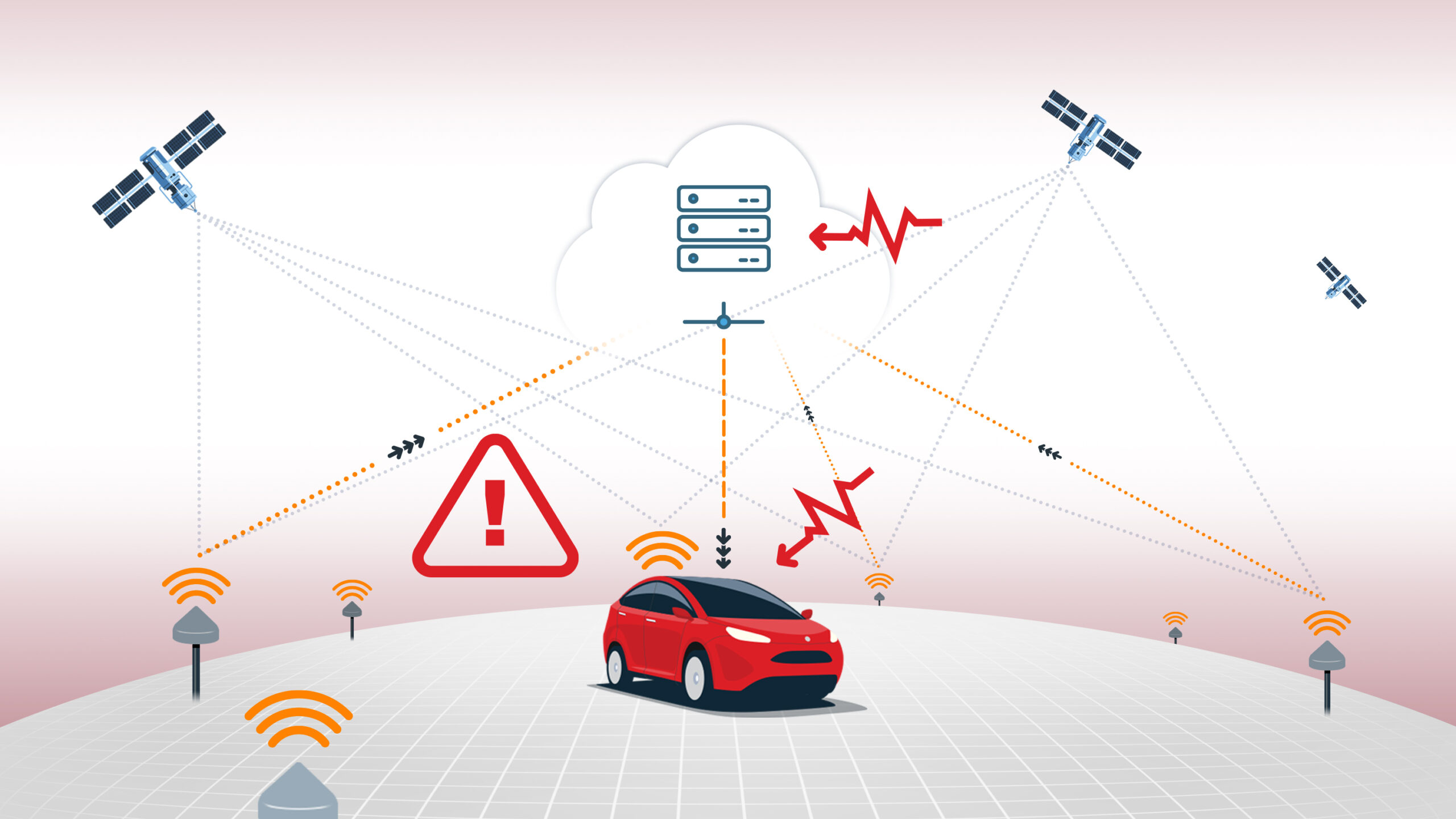
Latency, in the context of GPS positioning and correction systems, refers to the delay between when data is generated and when it becomes available for use. This delay can occur at multiple stages of the data processing and transmission chain, significantly impacting system performance and accuracy.
In GNSS correction systems, like Skylark, latency manifests in several forms. Correction latency is measured as the difference between the current GPS time and the timestamp in the correction message when it’s received. This differs from age of correction, which grows continuously between message receptions and represents how old the correction data is when applied.
Communication latency plays a crucial role in Swift’s real-time positioning systems. If communication links have large latency, the age of integrity becomes larger than the maximum Time to Alert (TTA) tolerated, causing the system to declare unavailability. For RTK corrections, maintaining stable, low-latency connections is more important than achieving high download speeds, as correction streams require minimal bandwidth.
Network quality significantly affects latency performance. Good ping latency is considered less than 20ms, average is 20-50ms, and poor latency exceeds 50ms. High latency can cause frequent cycling between fixed and float solutions in RTK systems, degrading positioning accuracy.
In Skylark’s proprietary atmospheric model, latency affects update timing. When input streams have longer intervals (like 30 seconds), the model must predict further into the future. This extended prediction period can impact model accuracy and system performance.
Modern solutions like LEO satellite broadband (Starlink) provide low-latency connectivity for remote operations, enabling RTK corrections to maintain centimeter-level accuracy even in off-grid environments. Read our article to learn more about Delivering RTK Corrections over LEO Satellites.
The key is ensuring latency remains within acceptable bounds to prevent accuracy degradation and maintain system reliability across various operational conditions.